Dance Mom Leopard: A Designer's Review for Embroidery
As a designer who spends more time at the hoop than away from it, I approach every new machine embroidery design with a critical eye. It is not just about whether the image looks cute on a screen; it is about how that image translates into thread, how it sits on fabric, and whether it will hold up to the wear and tear of a finished product. Recently, I evaluated the Dance Mom Leopard file, a digital asset marketed heavily toward crafters and small business owners. While the product description highlights its utility as an SVG, PNG, and DXF for cutting machines like Cricut and Silhouette, my focus was strictly on its potential as a high-quality embroidery project for custom apparel and boutique goods.
First Impressions and Visual Personality
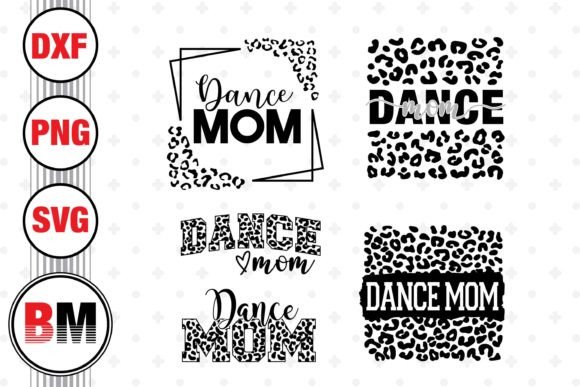
The moment you pull up the Dance Mom Leopard graphic, the mood is immediately clear: it is bold, energetic, and unapologetically spirited. The combination of dance motifs with leopard print patterns creates a visual personality that screams "team spirit" and "fun." For an embroidery designer, the layout is the first thing to analyze. The shapes appear distinct enough to be translated into satin stitch or fill stitch without losing definition. However, because this originates as a graphics file intended for printing and cutting, the transition to stitching requires careful planning. The contrast between the organic spots of the leopard pattern and the structured elements of dance imagery offers a dynamic look that can elevate a plain sweatshirt into a statement piece.
This design naturally belongs in the realm of team wear, recital gifts, and personalized studio merchandise. It has the kind of visual pop that works exceptionally well for custom apparel where the wearer wants to show pride without being overly formal. The aesthetic is perfect for the modern dance parent who values style alongside functionality.
Real-World Application: The Studio Tote Scenario
To truly test the viability of Dance Mom Leopard, I envisioned a specific real-life scenario: creating a limited run of heavy-canvas tote bags for a local dance studio's end-of-year sale. These bags needed to be durable, stylish, and instantly recognizable as part of the studio's brand. Using this design as the central element on a natural-colored canvas tote seemed like a winning strategy.
In this context, the design performs well because the bold lines of the leopard print can handle the texture of canvas. If I were stitching this onto a tote bag design, I would likely treat the leopard spots as individual fill areas or perhaps even an applique design if the file allows for layer separation. The result would be a textured, tactile finish that feels premium. Customers browsing an Etsy shop or a craft fair table are drawn to items that feel handmade yet professional. A bag featuring this motif suggests a connection to the vibrant world of dance while offering a fashionable accessory they can use beyond the studio.
However, one must consider the stitch density. Leopard prints can become muddy if the stitches are too dense, turning what should be distinct spots into a solid block of thread. For a project like this, adjusting the density to allow the fabric texture to peek through slightly can add depth and prevent the design from becoming too stiff.
Fabric Considerations and Technical Challenges
While the design shines on sturdy materials like canvas or denim, caution is required when applying it to stretchy or thin fabrics. If you plan to use Dance Mom Leopard for sweatshirt embroidery or baby clothes, the choice of stabilizer becomes paramount. Stretchy knits can distort during stitching, especially with a pattern that has varying widths like leopard spots. A cut-away stabilizer is almost certainly necessary to maintain the integrity of the shape after washing.
Furthermore, curved surfaces present a unique challenge. Placing this design on a cap or hat requires meticulous hooping. The detailed corners of the dance elements combined with the irregular edges of the leopard spots could pucker if the tension is not perfectly balanced. For baby embroidery, where softness is key, one might need to reduce the overall size of the design significantly. This brings up a crucial point about hoop size and detail retention. If the design is scaled down too much for a small pocket or a onesie, the intricate details of the leopard spots may merge, losing the intended effect. Always test the design on scrap fabric of the same weight and texture before committing to the final product.
Color Strategy and Thread Selection
The visual appeal of Dance Mom Leopard relies heavily on color contrast. In a digital format, colors are vibrant and limitless. In embroidery, you are bound by your thread palette. To maintain the design's impact, selecting thread colors with high contrast is essential. For a classic look, golds and browns against a dark background work well, but for a modern twist on holiday embroidery or team colors, swapping traditional leopard tones for neon pinks or electric blues could create a stunning finished product.
I recommend testing the design in black and white mockups first. This helps identify areas where the stitch definition might get lost regardless of color. If the silhouette holds up in monochrome, the color application will likely succeed. This step is vital for maintaining brand consistency if you are an Etsy seller producing batches of items where color variation must be controlled.
Commercial Viability and Business Insights
For creative entrepreneurs and small shop product creators, the commercial potential of this design is significant. It taps into a niche market—dance moms—that is known for purchasing personalized and themed merchandise. Whether used for personalized gifts, wedding favors for dance-themed weddings, or studio branding, the design has strong buyer engagement potential.
However, professionalism is key. A poorly stitched leopard print looks messy, not trendy. Ensuring clean trims, proper backing, and neat edges is non-negotiable for building customer trust. When selling handmade products, the quality of the stitch work directly correlates to the perceived value of the item. A well-executed embroidered patch or jacket back featuring this design can command a higher price point than a standard text-only item.
It is also important to address the file formats provided. The product includes SVG, PNG, and DXF files, which are excellent for cutting machines and printing. However, for direct machine embroidery, you typically need specific formats like PES, DST, or XXX. If the Dance Mom Leopard package does not explicitly include these embroidery-specific files, you may need to digitize the vector SVG yourself or use conversion software. Always verify the licensing terms before selling. Just because a file is downloadable does not automatically grant unlimited commercial rights for physical goods or digital resale. Checking these details protects your craft business from legal issues.
Final Verdict for Makers
The Dance Mom Leopard design is a versatile asset for those willing to put in the technical preparation. It excels in creating fun, spirited items for dancers and their supporters. Its strength lies in its bold theme and adaptability to various design assets, from printable mockups to stitched garments. By paying attention to fabric texture, stabilizer choice, and thread contrast, designers can transform this graphic into a standout piece of wearable art. Whether you are making a single gift for a favorite teacher or stocking inventory for a boutique, this design offers a playful yet professional avenue for creativity. Just remember to respect the limitations of the medium, test thoroughly, and let the unique character of the leopard print shine through your needlework.